DPD normal-schedule estimates · Standard: Thu 15 Oct · Highlands: Wed 21 Oct
Subject to postcode coverage, holidays and availability. Islands or date-critical orders: contact us.

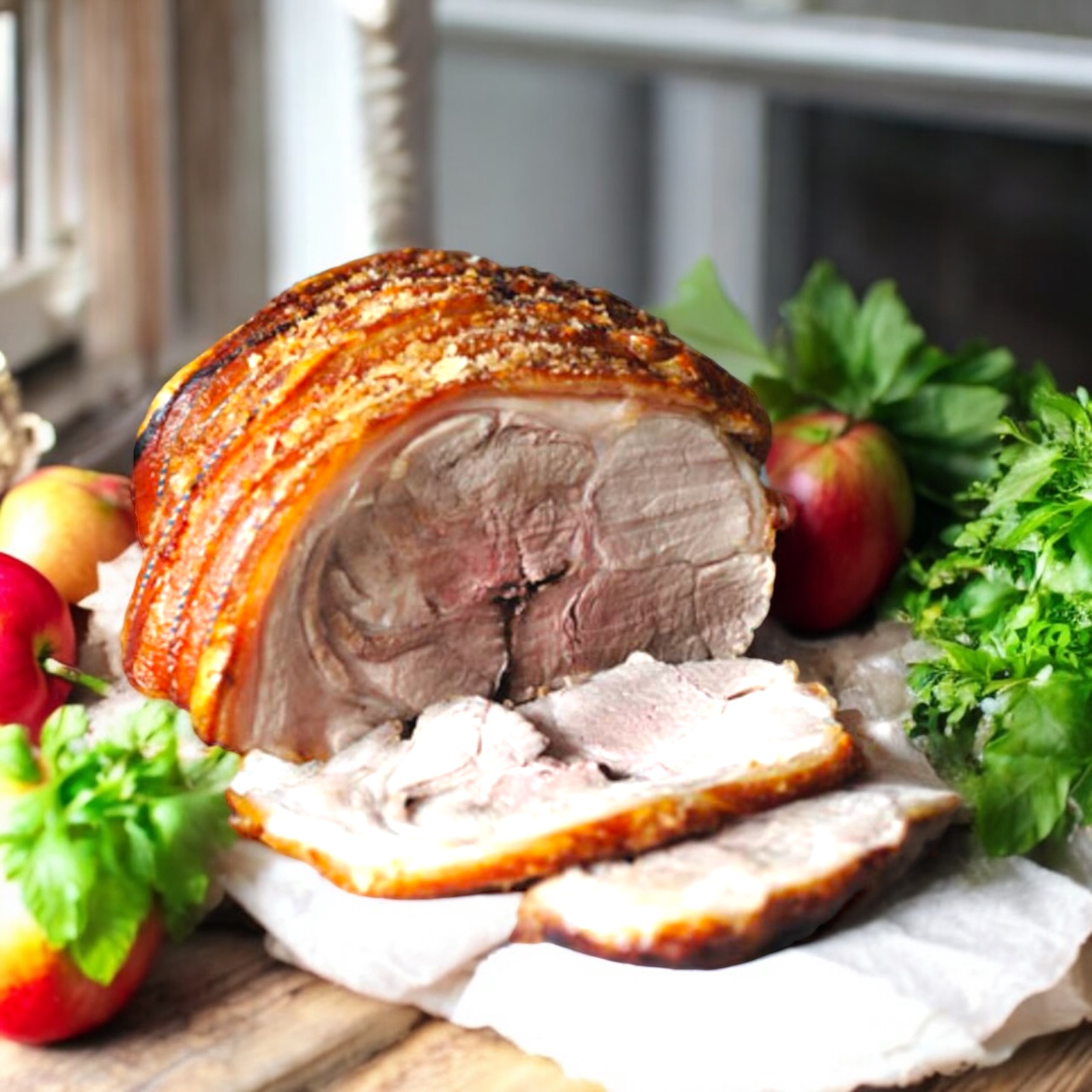
Slow-roast pork shoulder: the secret to proper crackling
A pork shoulder can spend a very pleasant afternoon in the oven while you get on with Sunday. The crackling, however, likes a little attention before everyone starts asking whether lunch is ready. Give the rind a dry surface and the right finish, and you give that satisfying crunch its best chance.
START WITH THE RIGHT JOINT
Use skin-on pork shoulder for this guide. Our British Slow-Roast Pork Shoulder comes in 1kg–4kg options. Check the skin and preparation on your pack, and follow a shoulder recipe matched to its actual weight. The boneless, rind-off pork loin in our other offer cannot make crackling: it has no rind.
DRY SKIN IS THE STARTING POINT
Pat the rind thoroughly dry with kitchen paper. If preparing ahead, keep the joint in a tray on the bottom shelf of the fridge, away from ready-to-eat foods, with the skin exposed so its surface can dry. Keep within the use-by date and your pack’s storage instructions. Do not leave raw pork on the worktop overnight, and do not wash it.
SCORE THE RIND, NOT THE MEAT
Ask the butcher to score it if you prefer. If doing it yourself, work on a steady board with a sharp knife and keep your fingers clear. Make shallow cuts through the rind and into the fat beneath, without cutting into the flesh. Deep cuts let meat juices reach the skin, which makes crisping harder. There is no prize for the deepest stripe.
SEASON WHERE IT COUNTS
Pat away any new surface moisture before roasting. Rub salt over the dry skin and into the scores. Put garlic, rosemary and other moist flavourings against the meat rather than on the rind: garlic on the very top can burn before the crackling is ready. Keep sugary glazes for another dish.
GIVE THE SHOULDER TIME
Shoulder benefits from patient cooking. Follow a reliable slow-roast shoulder recipe for your joint’s weight, whether it is boned and rolled or on the bone, and your oven type. A 1kg joint and a 4kg joint cannot share one timetable.
Keep the rind facing upwards. If your recipe uses stock or cider, pour it around the meat rather than over the skin. During any uncovered crisping stage, avoid basting the rind. You want the meat to stay succulent and the skin to lose moisture; they have different jobs.
FINISH WITH CARE
If the shoulder is tender but the skin needs more colour, follow your recipe’s hotter finishing stage and watch closely. Move the tray if your oven browns unevenly. Do not walk away from a hot grill or leave crisping fat unattended.
If necessary, carefully separate the rind from the cooked joint and crisp it on a separate tray while the meat rests. Use oven gloves and suitable utensils: the rendered fat is extremely hot.
CHECK THE MEAT, THEN REST
Crackling colour does not tell you whether the centre is safely cooked. Use a clean food thermometer in the thickest part, avoiding bone. The Food Standards Agency advises 70°C for two minutes, or an equivalent safe time-and-temperature combination. Shoulder may need longer cooking after it is safe before it becomes tender enough to pull apart.
Rest as your chosen recipe directs. Keep the crackling uncovered rather than wrapping it tightly in foil, which traps steam and softens it. Serve gravy beside or beneath the meat so the crunchy top stays crunchy. Someone will still ask for the biggest piece. That part is beyond the butcher’s control.
SHOP THE SHOULDER
https://www.malpasfarmshop.co.uk/product-page/british-shoulder-of-pork-slow-roast-pick-your-weight
FURTHER GUIDANCE
Food Standards Agency — Cooking your food
https://www.food.gov.uk/safety-hygiene/cooking-your-food
Good Food — How to cook pork shoulder
https://www.bbcgoodfood.com/howto/guide/how-cook-pork-shoulder
For illustration purposes only.